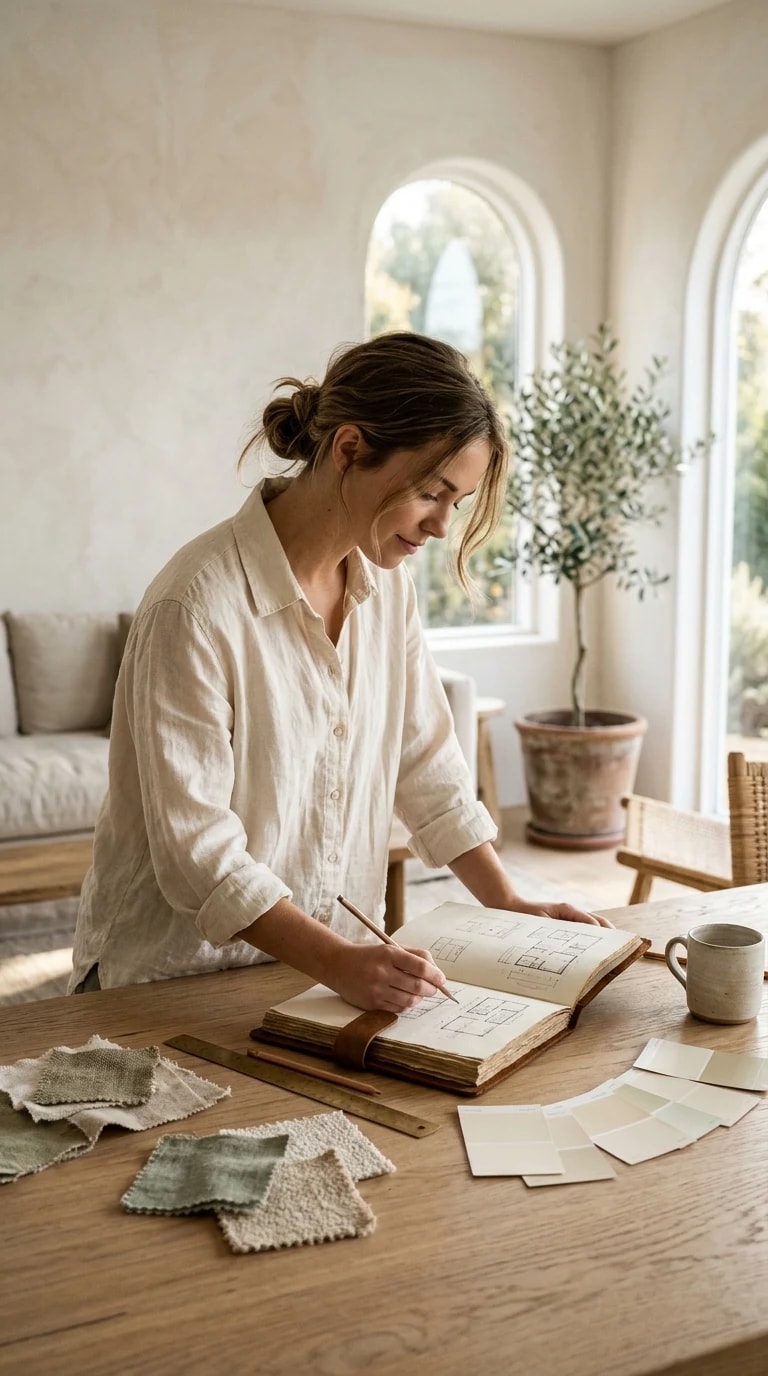
There is a quiet magic in the first strokes of a pencil on paper. Before walls rise and rooms take shape, home design begins with a sketch—an intimate conversation between imagination and place. In Kashmir, where centuries of craft tradition meet breathtaking landscapes, this early stage deserves to be savored. Sitting at a wooden table with a mug of kahwa, surrounded by fabric swatches and the soft light filtering through arched windows, you can almost feel the future home breathing. It’s a slow, tactile process that honors the region’s artisanal soul.
Kashmiri homes have long drawn from the valley’s natural bounty: walnut and deodar wood, pashmina and crewel fabrics, and the intricate geometry of papier-mâché. These elements aren’t mere decoration; they carry stories, generations of skill, and a deep respect for the environment. When you sketch your floor plan by hand, you begin to weave these textures into the layout. You imagine where the morning sun will warm the kitchen, how the arched windows will frame the chinar trees, and where a cozy nook might hold a traditional kangri in winter. Hand-drawing forces you to consider light, proportion, and the flow of daily life in a way that digital tools often gloss over.
The act of sketching also invites collaboration with local artisans. As you pencil in a carved wooden screen or a hand-knotted carpet, you start to see how their work will live in your space. You might visit a papier-mâché workshop in Srinagar, run your fingers over swatches of crewel embroidery, and bring those samples back to your sketchbook. This hands-on approach ensures that your design remains rooted in Kashmir’s identity rather than imported trends. It’s a dialogue between your vision and the maker’s craft, resulting in a home that feels authentic and deeply connected to the valley.
In practical terms, keep a dedicated sketchbook and a set of drawing pencils near your workspace. Collect fabric swatches, wood samples, and photographs of architectural details you love—like the latticework of a Mughal garden pavilion or the earthy palette of a traditional Kashmiri kitchen. Sketch different layouts, experiment with furniture placement, and note how the light changes throughout the day. Consider the climate: cold winters call for insulation, warm colors, and layers of textiles, while summer months welcome open, airy spaces with potted olive trees and neutral sofas. Let your sketches evolve as you gather inspiration from local markets, craft fairs, and the landscape itself.
Ultimately, designing a home in Kashmir is not about rushing to a finished product. It’s about embracing the process—the smudged pencil lines, the quiet moments of reflection, and the joy of seeing an idea take shape. Your hand-drawn plan becomes a living document, one that will guide builders and artisans while preserving the soul of the place. In a world of instant digital renders, there’s something profoundly grounding about starting with a simple sketch, a cup of tea, and the soft light of a Kashmiri afternoon.